Winter is the season of rest and restoration in Chinese medicine. Here’s how to work with it, even in the Arizona desert.
In the traditional Chinese calendar, winter begins in early November, at the solar term Li Dong, “Start of Winter.” The days are shorter, the nights longer, and nature draws inward. Even in Phoenix, where we trade snow for cool mornings and chilly evenings, the shift is real, and TCM offers a thoughtful guide to living with it.
Winter, the Water Element, and the Kidneys
Each season corresponds to one of the Five Elements. Winter belongs to Water, which governs the Kidneys and Bladder. In TCM, the Kidneys are the body’s deep reserves. They store Jing (Essence), the foundational energy we’re born with and slowly spend across a lifetime. They’re also associated with the lower back and knees, the bones, the ears, head hair, and the will and resilience to carry on.
Winter is the time to conserve and replenish rather than push and spend. Seeds don’t sprout in winter. They rest underground, gathering strength for spring. The classic text Huang Di Nei Jing advises going to bed early and rising later with the sun during winter, and avoiding overexertion and excessive sweating.
How to Live in Harmony With Winter
Rest more
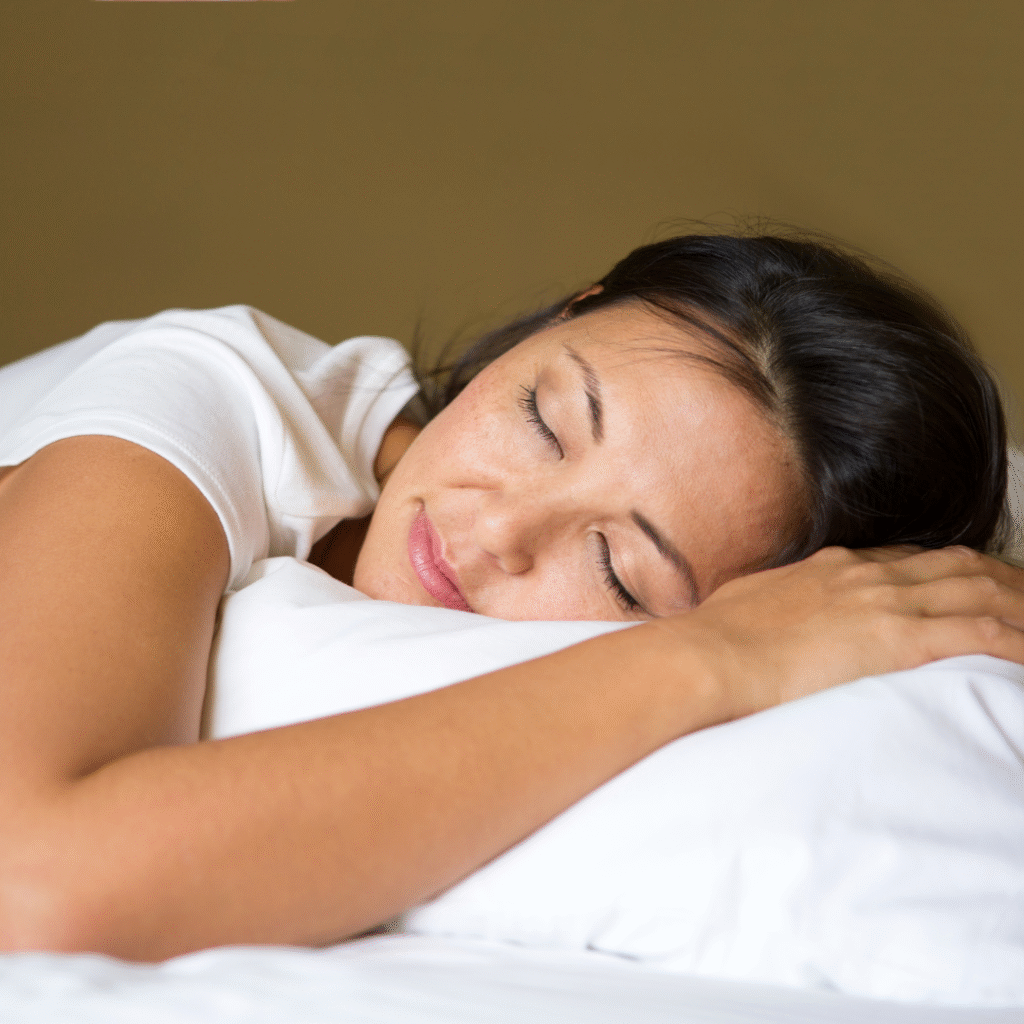
Aim for earlier bedtimes and protect your sleep schedule. Winter is the season when your body most wants more rest, and TCM treats sleep as when Yin and Blood are rebuilt.
Stay warm, especially the lower back and feet
Keep your lower back, belly, and feet covered. Cold is said to enter through the feet and low back and to tax the Kidneys. Warm socks, a scarf, and a warm foot soak in the evening are time-honored habits.
Eat warm, deeply nourishing foods
- Soups, stews, and bone broth
- Black beans, black sesame, and walnuts, traditionally linked to the Kidneys
- Root vegetables, winter squash, and dark leafy greens
- Warm grains such as congee and oats
- Goji berries, dates, and warming spices like ginger and cinnamon
Go lighter on cold, raw foods and iced drinks as the weather cools.
Move gently
Walking, stretching, tai chi, and qigong build Qi without draining it. Skip pushing through exhaustion with punishing workouts.
Sleep: What the Research Says
Poor sleep tends to peak when the nights get long and the stress of the holidays rises. In TCM, insomnia is usually traced to the Heart, Kidney, Liver, or Spleen, and treatment depends on which pattern is involved, such as a Heart-Kidney imbalance, Liver stagnation, or Blood deficiency.
Acupuncture has been studied for sleep in several settings. One example: a 32-week randomized, sham-controlled trial published in JAMA Network Open enrolled 270 patients with both insomnia and depression. Everyone received standard care guided by psychiatrists, and some also received 24 sessions of electroacupuncture over 8 weeks. At week 8, sleep quality as measured by the Pittsburgh Sleep Quality Index improved significantly more in the electroacupuncture group than in the sham acupuncture group or the standard-care-only group, and the improvement was sustained through the 24-week follow-up. No serious adverse events were reported. Note that this was a specific group, people with insomnia and depression, and it used electroacupuncture, so the results shouldn’t be assumed to apply to everyone.
A Simple Evening Wind-Down
- Dim the lights and put screens away 30 to 60 minutes before bed
- Soak your feet in warm water for 10 to 15 minutes
- Sip a warm, caffeine-free tea, such as chamomile
- Write down tomorrow’s to-do list so your mind can let go of it
- Press Yin Tang and HT-7 (the inner wrist crease, on the pinky side) gently while breathing slowly
- Keep your bedroom cool, dark, and quiet, and go to bed at a consistent time
Ready to rest well and head into winter strong? Book a free consultation or call 480.426.9251.
Sources (research from an article retrieved from PubMed; the Huang Di Nei Jing is a classical TCM text):
- Yin X, et al. Effect of electroacupuncture on insomnia in patients with depression: a randomized clinical trial. JAMA Netw Open. 2022. doi:10.1001/jamanetworkopen.2022.20563
This article is for general education and is not a substitute for medical advice, diagnosis, or treatment.


comments +