How to enjoy the feast without the bloating, heaviness, and regret, plus the food safety basics that keep everyone well.
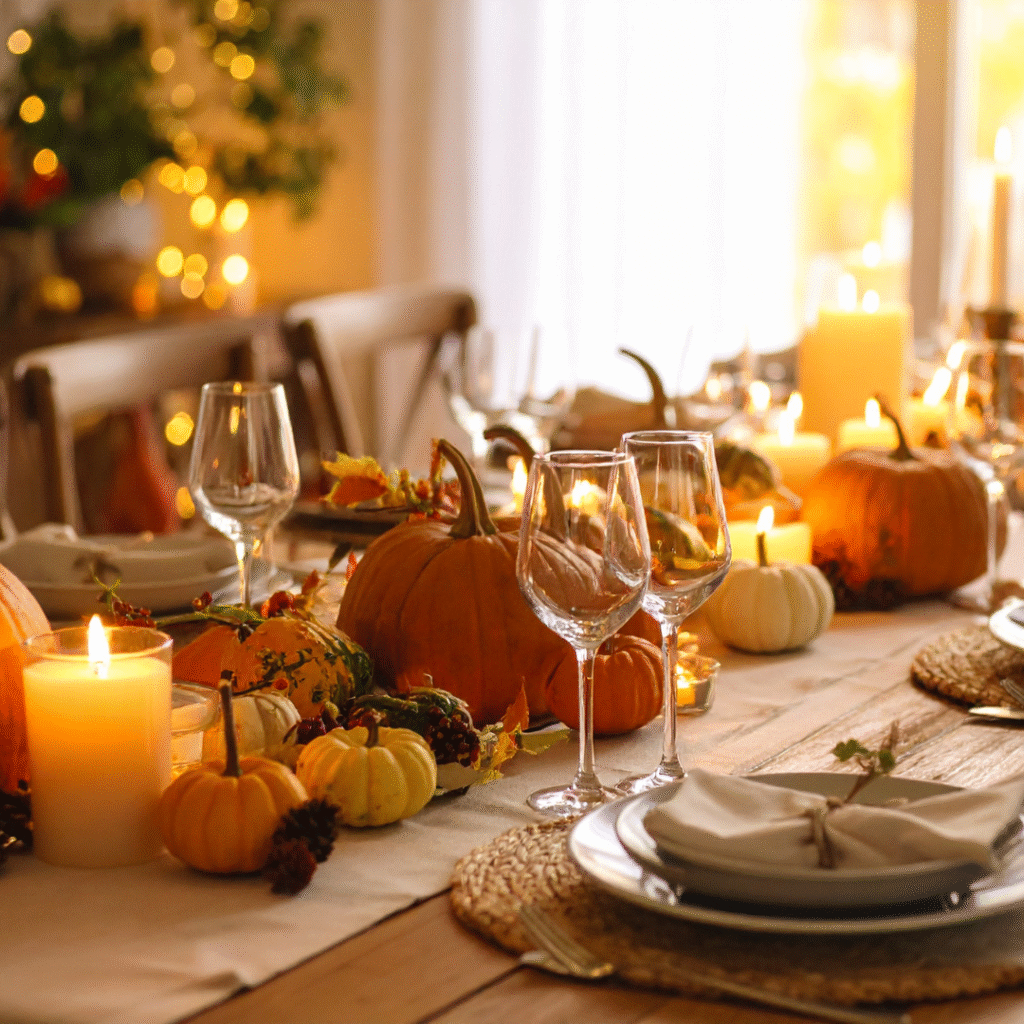
Thanksgiving falls on Thursday, November 26 this year. For many of us it’s the richest, largest meal of the year, often eaten quickly, after a day of skipped meals and stress. It’s no wonder that bloating, heartburn, and a heavy, sleepy feeling are such common companions of the holiday table.
Chinese medicine has a clear way of understanding this, and a few practical habits that can make the whole day feel better.
The TCM View: Your Digestive Fire
In Traditional Chinese Medicine (TCM), digestion is described as a kind of internal cooking fire. The Stomach receives and “rots and ripens” food, and the Spleen transforms it into usable Qi and Blood. When that system is overloaded with too much food, too much richness, too fast, or in the middle of stress, it can’t keep up. The classic result is what TCM calls food stagnation: fullness, bloating, belching, acid reflux, a heavy feeling, and sometimes poor sleep afterward.
Stress makes it worse. When Liver Qi is tense, it tends to “invade” the Stomach and Spleen, which is why a stressful family gathering can leave you with a tight stomach even before dinner is served.
Seven Holiday Habits Worth Trying
- Don’t arrive starving. Skipping meals all day weakens digestion and sets you up to overeat. Eat a small, warm, ordinary breakfast.
- Slow down. Put your fork down between bites. It takes time for your body to register fullness.
- Eat sitting down, and chew well. Digestion starts in the mouth. TCM also advises against eating while arguing, working, or scrolling.
- Favor warm over icy. Iced drinks with a heavy meal are traditionally thought to dampen digestive fire. Warm water or a mild tea is gentler.
- Add warming, digestion-friendly flavors. Ginger, cinnamon, and cardamom are classic choices. A cup of fresh ginger tea after the meal is a favorite home remedy.
- Stop at about 70 to 80 percent full. This is a traditional rule of thumb for protecting the Spleen and Stomach.
- Take a gentle walk afterward. A 10- to 15-minute stroll helps Qi move. Lying down immediately after a big meal tends to make stagnation and reflux worse.
What the Research Says About Acupuncture and Indigestion
If holiday indigestion isn’t just a once-a-year event for you, it’s worth knowing that acupuncture has been studied for functional dyspepsia, the medical term for chronic indigestion without an identifiable structural cause.
- A multicenter randomized trial published in Annals of Internal Medicine studied 278 patients with postprandial distress syndrome, the most common subtype of functional dyspepsia (fullness, bloating, and early satiety after meals). After 12 sessions over 4 weeks, the response rate was 83.0% with acupuncture versus 51.6% with sham acupuncture. The benefit was maintained through 12 weeks of follow-up, and there were no serious adverse events. The authors noted limitations, including a high dropout rate and the impossibility of blinding the acupuncturists.
- A 2024 Bayesian meta-analysis of randomized trials concluded that acupuncture, alone or combined with other approaches, was a safe and effective option for functional dyspepsia, and that combining acupuncture with Western medicine worked better than Western medicine alone for symptoms like early satiety and postprandial fullness.
As always, research findings are not guarantees for any one person, and these studies looked at chronic indigestion, not the occasional overindulgent holiday meal. But they suggest that a persistent digestive complaint is something Chinese medicine may be able to help with.
Food Safety: Keep the Feast Safe
A beautiful meal can still make people sick if it isn’t handled safely. According to USDA guidance as reported by CBS News:
- Cook turkey to a safe minimum internal temperature of 165°F, checked with a food thermometer
- Refrigerate leftovers within two hours of serving
- Cooked turkey and turkey dishes keep for 3 to 4 days in the refrigerator, and longer in the freezer
- Reheat all leftovers to 165°F before serving again
- Thaw a frozen turkey in the refrigerator rather than on the counter, and plan ahead, since it takes days
This ties neatly to TCM thinking as well: warm, thoroughly cooked food is both safer and easier on your digestive fire.
Struggling with digestion all year, not just at the holidays? Book a free consultation or call 480.426.9251.
Sources (research from articles retrieved from PubMed; food safety guidance as reported by CBS News):
- Yang Y, et al. Effect of acupuncture for postprandial distress syndrome: a randomized clinical trial. Ann Intern Med. 2020. doi:10.7326/M19-2880
- Liao Y, et al. Acupuncture for functional dyspepsia: Bayesian meta-analysis. Complement Ther Med. 2024. doi:10.1016/j.ctim.2024.103051
- CBS News. How to safely cook your turkey this Thanksgiving, and how long you can eat Thanksgiving leftovers (reporting USDA guidance).
This article is for general education and is not a substitute for medical advice, diagnosis, or treatment.


comments +